
 Several years ago I visited some of the most incredible gardens in Kyoto, Japan. On the more recent side, yesterday, I spent several hours at both the Japanese Tea Garden in San Francisco and the Japanese Garden within San Francisco Botanical Gardens, nearby.
Of course from a plant perspective, I am in awe of the amazing pruning and training, so detailed and masterfully done, but more my focus was the decorative and symbolic elements used in Japanese garden design.
Japanese Garden Design & Decor
Some of the decorative elements, like stone lanterns, still popular in Japanese style garden design today, originated with the tea ceremony in the 16th century.
Of course they weren’t simply “decorative” then. They served a specific function. How are visitors going to get to the tea service? Need a foot path. How will they see at night? Stone lanterns.
And since necessity is the mother of invention; night time tea ceremonies led to the creation of stone lanterns.
In Japanese garden design, the practical and decorative effect is the same as it was 500 years ago; however, the lighting functionality from lanterns you can buy is less important.
 If you want to use stone lanterns in your garden design, consider placing a lantern where light should be. Don’t blast light. Use it instead to illuminate a rock formation or a highlight a few garden points of interest.
Fortunately, there are many styles of lanterns to buy. Some are based on lanterns in Buddhist temples and others developed by tea masters for their own gardens. Most popular is the snow viewing lantern. (Named this because of the gentle way it holds snow) This lantern has a low profile with open leg design and is great for small gardens. Roofs are generally hexagonal or round. Other types of lanterns include: Pedestal; buried; and; small, set lanterns.
 And what about the foot path that leads to the tea ceremony? The “then” and “now” footing still leans towards stepping stones placed in an asymmetrical arrangement. Typical are flat top, uncut stones that get buried in soil. Placement is very important for how you want visitors to experience the unfolding path and points along the way. Spacing stones closer together slows people down, while spacing the stones farther apart enables people to walk more quickly.
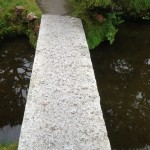 Stone pavement is a later development in Japanese gardens. Pavement is made using cut stones in regular shapes.
As for objects of worship: stone Buddhas were typical. Then as today, these are best placed firmly and inconspicuously in a location that isn’t overly highlighted.
To create a spiritual atmosphere: stone towers. Today these are used mostly decoratively and you can find them in a number of shapes. For a small garden look for a 5 story tower, which is a good scale and fit. Placement is similar to that of lanterns and also popular to use near a water feature.

Zen Garden Design
 Also, around the same time: Zen Buddhism with dry sand gardens had become popular. These tranquil Zen gardens were designed by monks in their search for enlightenment. The basic elements include: gravel or sand, rocks and stone and are meant to symbolize nature. Rocks and stones, are used to symbolized waterfalls, mountains, hills and islands. Gravel or sand is used to symbolize the sea, rivers, lakes or streams. Typically gravel (rather than sand is used) and is raked to create ripple patterns that represents water with waves.
As for directing visitors, signs posts along the path… (See sign to your right. Oops! I almost veered off. Very naughty. Lol.)
Happy Gardening,

 ps: Ready to design your garden? You can find some amazing statues and lanterns on Amazon. Amazon users really like the “Pagoda Lantern Statue” as well as the “Sitting Buddha”
